
"Arabica Philippines"
200 article(s) found

Comparison of basic data of Coffee varieties
Suitable cultivation conditions: Arabica variety (Arabica) is suitable for plateau cultivation, Robesta variety (Robusta) is suitable for lowland cultivation, and Liberian variety (Liberica) is suitable for minimum cultivation. Production: the Arabica variety (Arabica) accounts for about 70-80% of the world's total output; the Robesta variety (Robusta) accounts for about 20-30% of the world's total output of Liberian varieties (Liberica)

Comparison of basic Information of Coffee varieties
Suitable cultivation conditions: Arabica variety (Arabica) is suitable for plateau cultivation, Robesta variety (Robusta) is suitable for lowland cultivation, and Liberian variety (Liberica) is suitable for minimum cultivation. Production: the Arabica variety (Arabica) accounts for about 70-80% of the world's total output; the Robesta variety (Robusta) accounts for about 20-30% of the world's total output of Liberian varieties (Liberica)
Comparison of basic data of Fine Coffee varieties
Suitable cultivation conditions: Arabica variety (Arabica) is suitable for plateau cultivation, Robesta variety (Robusta) is suitable for lowland cultivation, and Liberian variety (Liberica) is suitable for minimum cultivation. Production: the Arabica variety (Arabica) accounts for about 70-80% of the world's total output; the Robesta variety (Robusta) accounts for about 20-30% of the world's total output of Liberian varieties (Liberica)

Comparison of basic data of Coffee varieties
Suitable cultivation conditions: Arabica variety (Arabica) is suitable for plateau cultivation, Robesta variety (Robusta) is suitable for lowland cultivation, and Liberian variety (Liberica) is suitable for minimum cultivation. Production: the Arabica variety (Arabica) accounts for about 70-80% of the world's total output; the Robesta variety (Robusta) accounts for about 20-30% of the world's total output of Liberian varieties (Liberica)

Basic knowledge of coffee beans comparison of basic data of coffee bean varieties
Suitable cultivation conditions: Arabica variety (Arabica) is suitable for plateau cultivation, Robesta variety (Robusta) is suitable for lowland cultivation, and Liberian variety (Liberica) is suitable for minimum cultivation. Production: the Arabica variety (Arabica) accounts for about 70-80% of the world's total output; the Robesta variety (Robusta) accounts for about 20-30% of the world's total output of Liberian varieties (Liberica)

What is Liberica coffee beans? is Liberica coffee beans good? Liberica coffee bean origin area
According to biology, coffee varieties are divided into three major varieties: Arabica, Robusta, and Liberika. Today, let's learn about the most unpopular Liberika coffee beans. Why is it so unpopular? why is there no Liberika coffee bean to drink? The birthplace of Liberia is Liberia in West Africa (
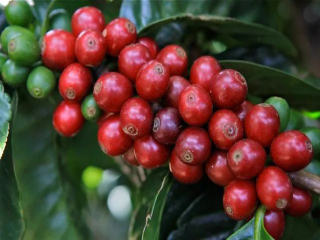
Liberica Coffee Bean knowledge: the characteristics of Liberian Coffee beans of the three original species of Coffee beans
Professional coffee knowledge exchange more coffee bean information please follow the coffee workshop (Wechat official account cafe_style) Liberica coffee, also known as big fruit coffee, some people mistakenly call Libyan coffee. It has a shorter cultivation history than the other two coffee trees, and the Liberian coffee tree is suitable for it.
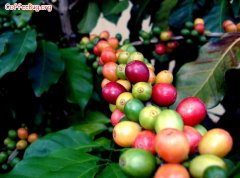
A variety of coffee, Arabica, Karobsta, Lubebeca
Coffee beans (Coffee Bean) can be divided into three types, namely Arabica-coffee contains caffeine of about 1% per cent by weight. Generally speaking, the better quality and more expensive coffee beans come from coffee beans grown by Elaraby. It accounts for 3/4 of the world's output and is of good quality, because the coffee tree itself is sensitive to heat and humidity.
The variety of coffee
The varieties of coffee beans (Coffee Bean) can be divided into three types, namely Arabica (Arabica), Robusta (Robusta) and Lubebica (Liberica)

What is the new breed of coffee in Barako? What effect can Barraco coffee have on the third wave?
Can the third wave save traditional coffee varieties from extinction? Barraco coffee has a strong smell and unique flavor and has a history of more than 200 years in the Philippines. Nowadays, it is difficult to find a place in the hearts and cups of the younger generation-but some Filipinos are asking if there is enough room for the third wave. What is KAPENG BARAKO? Carpengbalaco

Coffee beans and coffee beans
Coffee beans (Coffee Bean) varieties can be divided into three types, namely Arabica (Arabica) -coffee contains about 1% of caffeine by weight, generally speaking, the better quality, more expensive coffee beans, are from Arabica (Arabica) coffee beans. It accounts for three-quarters of the world's production and is of excellent quality because the coffee tree itself is resistant to heat and humidity.
Varieties of coffee beans
According to the variety of coffee beans (Coffee Bean) can be divided into three types of coffee beans are: Arabica coffee contains about 1% per cent by weight of caffeine, generally speaking, the better quality, more expensive coffee beans, are from Elaraby (Arabica) coffee beans. Accounts for 3/4 of the world's output, good quality, due to the coffee tree itself

Tell me about the varieties of coffee beans.
According to the variety of coffee beans (Coffee Bean) can be divided into three types of coffee beans are: Arabica coffee contains about 1% per cent by weight of caffeine, generally speaking, the better quality, more expensive coffee beans, are from Elaraby (Arabica) coffee beans. Accounts for 3/4 of the world's output, good quality, due to the coffee tree itself

About the source of the development of coffee what are the three original species of coffee beans
Professional coffee knowledge exchange more coffee bean information Please pay attention to Coffee Workshop (Wechat official account cafe_style) nowadays, there are more than one hundred kinds of coffee all over the world, all of which are grown and propagated by these three native coffee beans, and all kinds of coffee beans are named differently according to variety, origin, brand, port of export, exporter, etc. The so-called three original species of coffee are
Basic knowledge about coffee
What is coffee? Coffee is the fruit of a Rubiaceae plant grown at altitudes of about 6,000 feet and distributed along narrow subtropical axes around the world; the coffee tree is green all year round and can grow up to 20 feet tall, usually controlled to 8 to 10 feet tall for easy harvesting.

The basics of coffee cultivation
What is coffee? Coffee is the fruit of a Rubiaceae plant growing about 6000 feet above sea level, distributed on the world's narrow subtropical axis; coffee trees grow green all the year round and can grow up to 20 feet tall, and are generally controlled at 8 to 10 feet for easy harvest.
Basic knowledge of coffee growing
What is coffee? Coffee is the fruit of a Rubiaceae plant grown at altitudes of about 6,000 feet and distributed along narrow subtropical axes around the world; the coffee tree is green all year round and can grow up to 20 feet tall, usually controlled to 8 to 10 feet tall for easy harvesting.
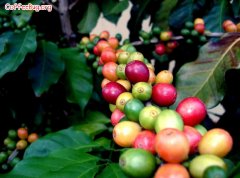
Variety classification of high-quality coffee beans and knowledge coffee
Coffee beans (Coffee Bean) can be divided into three types, namely Arabica-coffee contains caffeine of about 1% per cent by weight. Generally speaking, the better quality and more expensive coffee beans come from coffee beans grown by Elaraby. It accounts for 3/4 of the world's output and is of good quality, because the coffee tree itself is sensitive to heat and humidity.

Introduction to the varieties of Coffee beans
Arabica coffee contains about 1% per cent of caffeine by weight. Generally speaking, better quality and more expensive coffee beans come from coffee beans grown by Elaraby. It accounts for 3/4 of the world's output and is of good quality. because the coffee tree itself is very sensitive to heat and humidity, the growth conditions are at least 900m above sea level.

The basic knowledge of Coffee planting
What is coffee? Coffee is the fruit of a Rubiaceae plant growing about 6000 feet above sea level, distributed on the world's narrow subtropical axis; coffee trees grow green all the year round and can grow up to 20 feet tall, and are generally controlled at 8 to 10 feet for easy harvest. It takes three to five years for the coffee tree to bear fruit. First of all, it produces small white flowers that resemble jasmine in shape and size.